
Sales Templates

Sales teams where pitch quality varies by rep, follow-up stops after one attempt, pipeline stages advance on optimism rather than buyer evidence, and managers review results on Friday rather than managing activity inputs throughout the week — these are teams where performance is governed by talent rather than process. CheckFlow's sales checklist templates give every sales activity a structured, consistent process — from pitch preparation and follow-up cadence through to pipeline management, call quality assurance, and daily supervisor oversight.

Whether you're preparing a sales pitch, running a multi-touch follow-up cadence, tracking sales call activity, managing pipeline stages, evaluating call quality, or running the daily sales team supervisor workflow, each template ensures the sales process is followed consistently by every rep, every day. Browse the templates below, or explore the detailed process guide for each workflow.

Sales Templates

Explore Our Sales Templates

Each template below includes a detailed process guide covering the sales workflow, what every phase involves, and how to execute it consistently for measurable pipeline results. Click any template to read the full guide.

Sales Pitch Template

A structured pitch process covering pre-call research, opening and rapport, SPIN-based discovery, tailored value proposition delivery, objection handling, next-step close, and CRM update within 2 hours of the call.

Sales Follow-Up Template

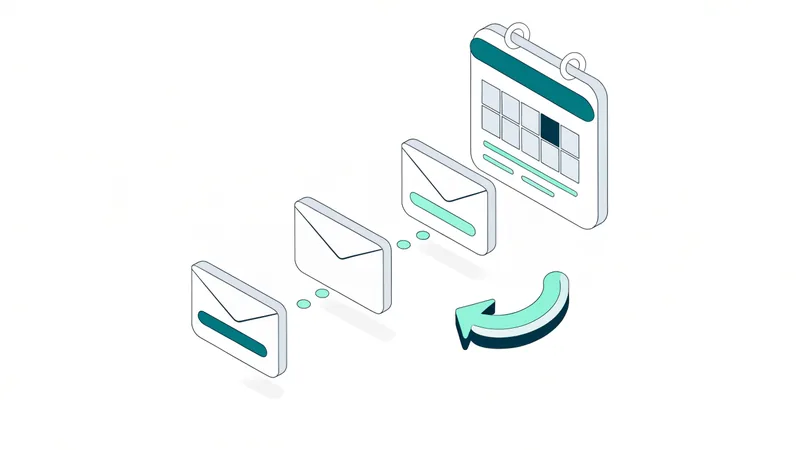
A structured multi-touch follow-up process covering the post-meeting summary email, a 7-8 touch cadence across email, phone, and LinkedIn with value-add content, the break-up email, and long-term nurture management.

Sales Call Tracker Template

A systematic call tracking process covering pre-call preparation, call execution, standardised disposition logging, substantive CRM notes within 5 minutes of the call, next action scheduling, and daily activity review.

Sales Pipeline Stages Template

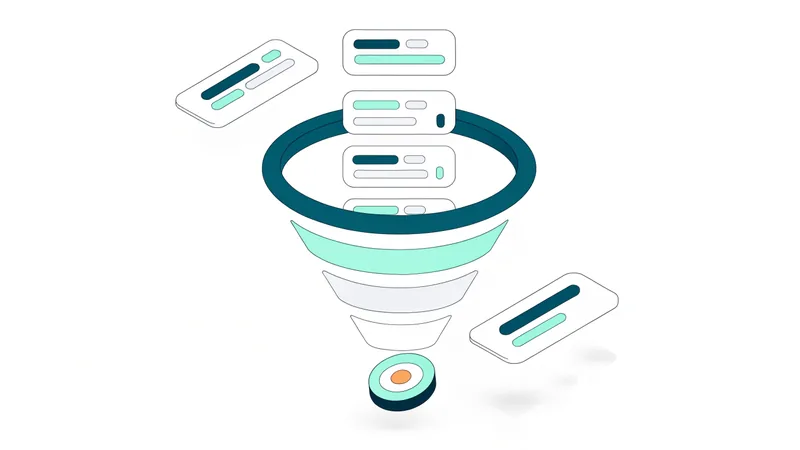
A structured pipeline management process covering stage definitions with entry and exit criteria, qualification framework (BANT/MEDDIC), evidence-based stage advancement, weekly pipeline hygiene, and pipeline health metrics and forecast.

Call Center Sales Quality Assurance Form

A structured call quality evaluation covering fatal error checks (compliance violations — automatic fail) and scored performance assessment across opening, rapport, discovery, presentation, objection handling, close, and documentation.

Daily Sales Team Supervisor Workflow

A structured daily supervision process covering morning team huddle, mid-morning activity monitoring, midday pipeline review, afternoon individual coaching from QA findings, and end-of-day performance review and next-day planning.

Why Sales Teams Use CheckFlow

Every rep pitches to the same structured standard

The top rep's discovery methodology, the most effective follow-up cadence, and the objection responses that actually work — these exist somewhere in the team. In most organisations, they exist in one or two people's heads and are never systematically shared. CheckFlow encodes the sales process that produces results — pre-call research, structured discovery, value proposition tailored to stated pain — and deploys it to every rep for every call.

Follow-up that reaches the 5th touch — not the 1st

80% of deals require five or more follow-up touches to close — but 44% of reps give up after one attempt. The pipeline gap that statistic describes is not a talent problem; it is a process problem. CheckFlow's follow-up cadence generates the next touchpoint reminder automatically at the right interval, ensuring every prospect gets the structured multi-touch sequence that converts pipeline — not just the ones the rep happened to remember to follow up with.

Pipeline data the manager can trust — not recall

A pipeline review built on CRM notes that say "good call, following up" and close dates copied forward each week is not a pipeline review — it is a collective optimism exercise. CheckFlow requires specific call notes (pain points, objections, next step agreed) to be entered before a call can be logged, and stage advancement to be supported by evidence of buyer action — building the pipeline data that makes forecasting accurate rather than aspirational.

Sales Templates — Frequently Asked Questions

What is the most common reason sales reps underperform on follow-up?

+

The most common reason is a lack of process rather than a lack of motivation. Research consistently shows that 80% of deals require five or more follow-up touches to close, but 44% of reps give up after one attempt and 92% stop by the fourth — meaning the vast majority of pipeline is abandoned before the point where most deals convert. The gap is not because reps don't want to follow up; it is because follow-up without a structured cadence depends on the rep remembering to do it at the right time, with the right content, through the right channel. When a rep has 50 active prospects, "remember to follow up in three days with a relevant case study" is not a reliable system. A structured follow-up cadence with automatically generated reminders, pre-specified content types, and a defined multi-channel sequence removes the dependence on memory and discipline — making consistent follow-up the default rather than the exception.

How do you run an effective sales pipeline review?

+

An effective pipeline review requires structure and challenge rather than updates and acceptance. It covers four key areas: deal qualification (is every deal in the pipeline genuinely qualified — does it have confirmed budget, a known decision-maker, a real need, and a defined timeline? Unqualified deals inflate the pipeline and distort forecasts), stage accuracy (is the deal at the stage where the buyer's actions place it, not where the rep hopes it will be? The stage should reflect specific buyer evidence, not the rep's confidence), deal health (are there deals that haven't advanced in 14+ days? Have close dates been copied forward repeatedly without a real reason?), and forecast integrity (does the forecast reflect historical stage conversion rates applied to the actual qualified pipeline, or the rep's optimistic probability assessments?). The review should challenge every stale deal and every implausible close date — a comfortable pipeline review that accepts every rep's update is a pipeline review that predicts the future inaccurately.

What makes a call center sales QA programme effective?

+

An effective call center sales QA programme requires four elements: a structured scorecard (evaluating the same dimensions on every call — opening, rapport, discovery, presentation, objection handling, close — with defined criteria for each score level so evaluations are consistent across evaluators), a fatal errors tier (compliance violations, prohibited claims, required disclosure omissions — assessed as automatic fails regardless of the performance score elsewhere, because these represent regulatory risk that performance quality cannot offset), frequency and timeliness (a minimum of 4-8 evaluations per rep per month, with feedback delivered within 48 hours of the evaluation — feedback on a call from three weeks ago has minimal coaching value), and coaching integration (QA findings should directly inform the supervisor's individual coaching conversations — the evaluation that identifies a rep's discovery quality as consistently below standard is the evidence for a focused coaching session on discovery technique, not a general "try to do better" conversation).

Can CheckFlow's sales templates be customised for different sales models?

+

Every CheckFlow template is fully customisable. For B2B sales with longer cycles: extend the follow-up cadence, add multi-stakeholder management steps to the pitch template, and use MEDDIC rather than BANT for the qualification framework. For call center sales with high volume and shorter cycles: the QA scorecard can be configured for the specific compliance requirements of your product and jurisdiction, and the supervisor workflow can be adapted to manage higher team-to-manager ratios with more frequent activity monitoring. For SaaS sales: the pipeline stages can be customised to reflect the typical SaaS buying journey (trial, proof of concept, security review, procurement) and the follow-up cadence can integrate product usage data as an engagement signal. Templates can be differentiated by product line, territory, or rep seniority level.

Supercharge Your Sales Process with CheckFlow

Close More Deals, Boost Efficiency, and Scale Your Success